
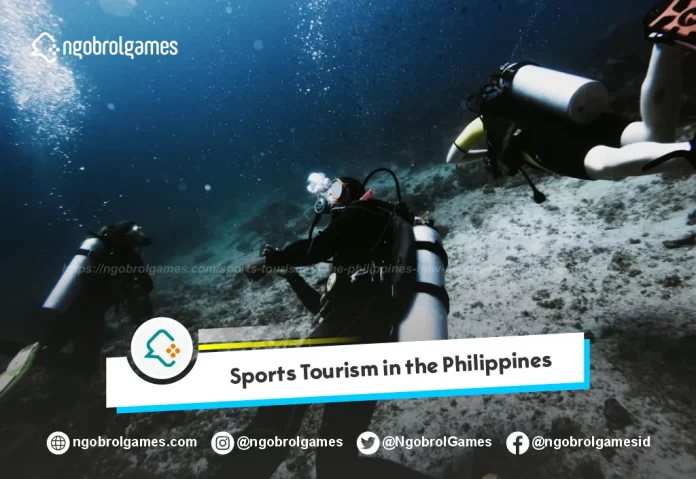
Sports-driven travel has become mainstream in the Philippines. People fly to Cebu for triathlons, book road trips for big boxing cards, and plan vacations around marathons or festival tournaments. Large-scale events in the past have shown how sports can fill hotels, boost restaurants, and drive demand for local transportation and souvenirs.
Travelers don’t just chase medals or scorecards; they also chase experiences – sunrise runs near the sea, jeepney rides to the venue, and late-night food trips after games. For many Filipinos, this combination of sport and lakwatsa is what makes sports tourism worth the gastos.
2026 calendars shaping tourism
The Cebu Marathon 2026 is already a highlight, with a route designed to appeal to both serious runners and first-timers who want a photogenic race. IRONMAN events in Lapu-Lapu and other key cities are set to pull participants from across Asia, fueling demand for tour vans, beach resorts, and post-race dining. Danao City is emerging as an adventure-sports hub, thanks to its rugged terrain and festival-style trail and mountain-bike events.
Some visiting fans prefer to keep race information, accommodation details, and sports markets inside one Android app, so they download MelBet APK Philippines before flying out. That way, they can check lines, schedules, and mini-games on the same device where they store boarding passes and booking confirmations.
When fans travel for basketball, volleyball and boxing
PBA playoffs, UAAP rivalries, and international friendlies draw crowds from across the country. Arenas in Metro Manila – whether in Pasay, Quezon City or Antipolo – often see provincial fans bundling live games with food trips and mall visits.
Volleyball brings its own tourism wave. International competitions and regional tournaments scheduled around 2025–26 will continue to strengthen the country’s reputation as a host. Beach volleyball circuits, university leagues, and community tournaments draw both domestic travelers and foreign fans.
Boxing still attracts major attention. Manny Pacquiao’s legacy keeps boxing tourism alive, and rising Filipino fighters draw fans to cities hosting regional title fights or amateur showcase events. For many supporters, it’s a chance to watch future champions up close before they make it to bigger cards abroad.
Digital downtime and entertainment on the go
Travel involves long waits – airports, ferry terminals, traffic jams, hotel afternoons. Some sports travelers entertain themselves with mobile mini-games or spins at an online casino while waiting for flights or ride shares. It’s a way to keep the excitement going between registration, race expos and tipoffs, provided people stick to modest limits and remember that their real investment was the trip itself.
How ticketing, merch, and online buzz fuel local economies
Sports tourism thrives because every event activates multiple sectors:
– Ticketing and merchandise increase city revenue.
– Hotels and homestays hit full occupancy.
– Transport operators gain extra bookings.
– Local eateries get consistent foot traffic from athletes and fans.
– Content creators advertise destinations without being paid to – every Instagram reel is free promotion.
This cycle raises economic confidence in host cities, encouraging them to continue investing in sports facilities and community programs. For locals, it means more jobs and more reasons to feel proud when visitors mention their hometowns on social media.
Odds, fans and informed spectators
Some fans who enjoy analytics take traveling fandom a step further. Before attending games or watch parties, spectators compare PBA betting odds with their own predictions about form, injuries and lineups. It becomes a hobby – another way to appreciate the tactical side of the sport.
Those more involved in numbers track how lines move as team news comes out and share their thoughts in group chats. For them, picking a side is less about gut feeling and more about a mix of stats, trends and a healthy dose of “bahala na” once the ball is in the air.
Turning passion into community growth
Local businesses consistently benefit when sporting events attract crowds. Sports tourism boosts job opportunities, encourages small vendors to participate, and elevates cities such as Cebu, Davao, Baguio, and Iloilo as sporting destinations.
By 2026, the Philippines’ sports calendar won’t just entertain fans – it will move people, energize economies, and turn athletes, vendors, and tourists into a single, thriving ecosystem where a weekend race or game can mean a week of income for whole neighborhoods.